Neurodevelopmental Disorders and Translational Social Neuroscience
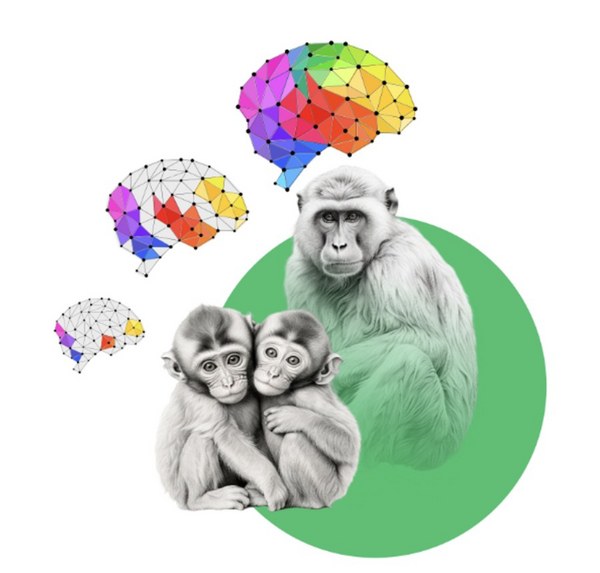
This research axis examines how the neural systems supporting social perception, imitation and interpersonal engagement are altered in neurodevelopmental conditions. It combines developmental neuroscience with translational experimental paradigms that identify mechanisms that may be targeted during periods of high brain plasticity.
Particular attention is devoted to autism spectrum disorder and to neurochemical modulation of social behaviour. We investigate whether oxytocin modifies prosocial behaviour, attention to social stimuli and sensorimotor EEG responses during action observation, seeking behavioural and neurophysiological markers of treatment response alongside clinical measures.
Methods
- developmental translational paradigms; social-perception and imitation tasks; intranasal oxytocin studies; behavioural coding of prosocial behaviour; EEG mu-rhythm measurement during action observation; treatment-response marker analysis
Papers
| Reference | Topics | URL |
|---|---|---|
| Festante, F., Sesso, G., Masi, G., et al., & Ferrari, P. F. (2020). Intranasal oxytocin enhances EEG mu-rhythm suppression during observation of social stimuli in children with autism spectrum disorder. Psychoneuroendocrinology, 117, 104702. | Oxytocin and social EEG responses in autism. | |
| Dettmer, A. M., Kaburu, S. S. K., Simpson, E. A., Paukner, A., Sclafani, V., Byers, K. L., et al., & Ferrari, P. F. (2016). Neonatal face-to-face interactions shape later social behavior in infant rhesus monkeys. Nature Communications. | Early interaction and later social behaviour. | DOI: 10.1038/ncomms11940 |
| Simpson, E. A., Sclafani, V., Paukner, A., et al., & Ferrari, P. F. (2014). Inhaled oxytocin increases positive social behaviors in newborn macaques. Proceedings of the National Academy of Sciences USA, 111, 6922–6927. | Oxytocin and prosocial behaviour in newborn macaques. | |
| Christov-Moore, L., Simpson, E. A., Coudé, G., Grigaityte, K., Iacoboni, M., & Ferrari, P. F. (2014). Empathy: Gender effects in brain and behavior. Neuroscience & Biobehavioral Reviews, 46, 604–627. | Sex and gender effects in empathy. |